


CPAP Therapy Support Hub
Control your own CPAP Therapy with PAPSmart
Browse Support Topics
Your therapy is only as strong as your knowledge! As part of our commitment to providing affordable and effective CPAP therapy to Canadians, we've developed a comprehensive CPAP therapy support hub. Now you can wake up feeling rested, knowing you slept well, and paid less.
ResMed AirSense 11 vs AirSense 10: Price, Features & Which One to Buy
ResMed AirSense 11 vs AirSense 10: Price, Features & Which One to Buy If you're shopping for a new CPAP machine, chances are you've already landed on ResMed as your brand — and for good reason. But narrowing it down to the AirSense 11 vs AirSense 10 is where it gets tricky. They look similar on the surface, they both work, and yet the price difference is real. So what are you actually paying for? Let's walk through it properly so you can make a confident decision. Quick Comparison: AirSense 11 vs AirSense 10 Feature ResMed AirSense 11 ResMed AirSense 10 Generation Newer Previous Display Full colour touchscreen Dial + physical buttons App Integration Enhanced myAir Standard myAir AutoSet Mode Yes Yes Built-in Humidifier Yes Yes Design Sleeker, compact Slightly larger Price (Canada) Higher More budget-friendly Both models are available in AutoSet (APAP) and fixed-pressure CPAP configurations — your prescription will determine which is right for you. ResMed AirSense 11: What's Actually New? The ResMed AirSense 11 is ResMed's current flagship CPAP machine, and the upgrades are genuinely useful — not just marketing fluff. The biggest change most people notice right away is the full colour touchscreen. Gone are the days of hunting through dial menus at 2am. The interface is intuitive enough that plenty of first-time CPAP users get through setup without needing to call anyone. Beyond the screen, the AirSense 11 connects more seamlessly with the myAir app, giving you nightly sleep scores, usage data, and therapy coaching on your phone. For people who actually want to understand their therapy — whether that's tracking AHI events or just confirming the machine is doing its job — this is a meaningful upgrade. Other standout features: Guided setup with on-screen instructions Advanced event detection and reporting Improved Bluetooth connectivity AutoSet pressure adjustments that respond to your breathing in real time Best for: First-time CPAP users, anyone who wants app-connected therapy tracking, and patients who value a clean, modern setup experience. ResMed AirSense 10: Still Worth Buying in 2024? Short answer: yes. The ResMed AirSense 10 has been the gold standard in ResMed CPAP machines for years — and it didn't suddenly become a bad machine just because a newer model exists. Its AutoSet algorithm is proven, it runs quietly, and the integrated humidifier works exactly as it should. What it doesn't have is a touchscreen or the same level of app integration. The dial-and-button interface feels dated compared to the 11, but plenty of longtime CPAP users actually prefer it. There's something to be said for a physical control you can find in the dark without thinking. The other big factor: price. The AirSense 10 comes in at a noticeably lower price point, which matters if you're paying out of pocket or your insurance only covers part of the cost. Best for: Budget-conscious buyers, experienced CPAP users upgrading from an older device, and anyone who doesn't need or want smartphone connectivity. Price Comparison: AirSense 11 vs AirSense 10 in Canada Pricing varies slightly by configuration (AutoSet vs fixed CPAP), but here's the general landscape: ResMed AirSense 10 — lower entry price, strong value for a proven machine ResMed AirSense 11 — premium price reflecting upgraded interface and connectivity If the digital features genuinely matter to your therapy routine, the AirSense 11 is worth the extra spend. If you just need a reliable machine that does the job, the AirSense 10 delivers without the premium. Note: Many private health insurance plans in Canada cover a portion of CPAP equipment costs. Check your policy before purchasing — it could change the math significantly. Masks & Compatibility: What Works With Each Machine? Good news: both machines are compatible with the full range of ResMed masks, including: Nasal masks Full-face masks Nasal pillow masks Mask fit is arguably more important to therapy success than which machine you choose. If you're unsure which mask style suits you, it's worth spending time on that decision before you finalize your machine purchase. Filters & Replacement Parts Both the AirSense 10 and AirSense 11 need routine maintenance to keep performing properly. The good news is that AirSense filters and CPAP replacement parts are affordable and easy to swap out yourself. Here's what needs regular replacing: Filters — monthly (disposable) or every 6 months (reusable foam filter) Humidifier chamber — every 6–12 months CPAP tubing — every 3–6 months Mask cushions and headgear — per manufacturer guidelines Staying on top of these replacements isn't just about hygiene — it also protects the machine itself and keeps your airflow consistent. So, Which One Should You Buy? Here's the honest version: Choose the AirSense 11 if you're new to CPAP therapy, you want the best available interface, or app-based tracking would genuinely help you stay consistent with treatment. The touchscreen and enhanced myAir integration make the learning curve much gentler. Choose the AirSense 10 if you're watching your budget, you've used CPAP before and don't need hand-holding, or you simply prefer physical controls. It's a machine with a long, trusted track record — there's no shame in going with what works. Either way, you're choosing a quality device from one of the most trusted names in sleep apnea treatment. The difference is mostly about interface and features, not therapy effectiveness. Frequently Asked Questions Is the ResMed AirSense 11 worth the extra cost? For first-time users or anyone who wants app connectivity and guided setup, yes. For experienced users on a budget, the AirSense 10 remains an excellent option. Are AirSense 10 and 11 masks interchangeable? Yes — both machines use standard ResMed mask connections and are compatible with the same range of ResMed masks. Does insurance cover ResMed CPAP machines in Canada? Many private health plans cover CPAP equipment partially or fully with a valid prescription. Coverage varies by provider, so confirm with your insurer before purchasing. How often do I need to replace AirSense filters? Disposable filters should be replaced monthly. Reusable foam filters can last up to 6 months with regular cleaning.
Learn more about ResMed AirSense 11 vs AirSense 10: Price, Features & Which One to BuyShop CPAP & BiPAP Machines in Canada: Top Brands, Prices & Best Sellers Buying a CPAP or BiPAP Machine in Canada
Buying a CPAP or BiPAP Machine in Canada Sleep apnea affects millions of Canadians and can have a serious impact on daily energy, focus, and long-term health if left untreated. CPAP and BiPAP therapy remain the most effective treatment options for managing sleep apnea and related breathing disorders. With so many machines, masks, and accessories available, choosing the right sleep apnea machine can feel overwhelming. PAPSMART makes it easier to compare trusted brands, understand pricing, and shop confidently online with access to everything needed for successful therapy. This guide explains the differences between CPAP and BiPAP machines, what to consider before buying, and how to choose the right setup for your needs. How Sleep Apnea Machines Work A sleep apnea machine delivers pressurized air through a mask to keep the airway open during sleep. This prevents breathing interruptions, snoring, and drops in oxygen levels that disrupt restful sleep. Most systems include:• A CPAP machine or BiPAP machine• Tubing to deliver airflow• A CPAP mask that fits over the nose, mouth, or both Today’s machines are quieter, more compact, and easier to use than ever, making long-term therapy more comfortable and manageable. CPAP vs BiPAP Machines: What’s the Difference? Understanding the difference between CPAP and BiPAP machines helps narrow down the right option. CPAP machines: CPAP machines deliver a constant level of air pressure throughout the night. They are the most commonly prescribed sleep apnea machines and work well for many users with obstructive sleep apnea. You can explore available CPAP machines in Canada directly through PAPSMART. BiPAP machines: A BiPAP machine provides two pressure levels, one for inhalation and a lower pressure for exhalation. BiPAP devices are often prescribed for users who need higher pressures or have difficulty exhaling against continuous airflow. PAPSMART offers a selection of BiPAP machines in Canada. Both options are available in Canada with prescription, and PAPSMART offers access to trusted models in each category. Shop CPAP Machines in Canada CPAP machines remain the most popular choice for sleep apnea therapy. Modern CPAP devices focus on comfort, reliability, and ease of use, making them suitable for first-time users and experienced patients alike. When shopping for a CPAP machine, consider:• Fixed-pressure vs auto-adjusting models• Noise level• Humidification options• Data tracking and therapy reports• Compatibility with masks and accessories PAPSMART carries a wide selection of CPAP machines from leading manufacturers, making it easy to compare features and prices. Shop BiPAP Machines in Canada BiPAP machines are designed for users who require more advanced pressure support. These devices are commonly recommended for individuals with complex sleep apnea or higher pressure requirements. Key features to compare include:• Pressure range and comfort settings• Ease of adjustment• Noise and size• Data monitoring capabilities Shopping through a Canadian retailer ensures proper prescription handling, warranty coverage, and ongoing access to replacement supplies such as CPAP supplies. CPAP & BiPAP Machine Prices in Canada Prices for sleep apnea machines in Canada vary based on features and technology. Typical price ranges:• CPAP machines: approximately $800 to $2,500• BiPAP machines: approximately $1,800 to $4,000 Insurance coverage depends on provincial programs and private health plans. Many Canadians receive partial or full reimbursement with a valid prescription, making it important to choose equipment that meets coverage requirements. Choosing the Right CPAP Mask A CPAP mask plays a critical role in therapy success. Comfort and proper fit help prevent leaks and improve nightly compliance. Common mask types include:• Nasal masks• Nasal pillow masks• Full-face masks Factors such as sleep position, facial structure, and breathing habits influence which mask works best. PAPSMART offers a wide range of CPAP masks designed for comfort and performance. CPAP Supplies for Long-Term Therapy Ongoing therapy requires regular replacement of CPAP supplies to maintain hygiene and airflow quality. Common CPAP supplies include:• Filters• Tubing• Mask cushions and headgear• Humidifier chambers Replacing supplies on schedule helps prevent discomfort and ensures consistent therapy results. CPAP Accessories That Improve Comfort CPAP accessories help personalize therapy and address common challenges. Popular accessories include:• Heated tubing• Mask liners• Hose management systems• Travel cases These additions can significantly improve comfort and make nightly therapy easier to maintain. Why Shop with PAPSMART PAPSMART offers a convenient way to shop: • CPAP machines• BiPAP machines• CPAP masks• CPAP supplies• CPAP accessories Customers benefit from competitive pricing, access to top brands, and reliable Canadian-based service. With a focus on product availability and long-term therapy support, PAPSMART helps Canadians find the right sleep apnea equipment with confidence. Frequently Asked Questions Do I need a prescription to buy a CPAP or BiPAP machine in Canada?Yes. A valid prescription is required to purchase CPAP and BiPAP machines in Canada. What’s the difference between a CPAP machine and a sleep apnea machine?A CPAP machine is the most common type of sleep apnea machine, designed to keep the airway open during sleep. How often should CPAP supplies be replaced?Filters are typically replaced monthly, tubing every three months, and masks or cushions every six months. Can I use the same mask with a CPAP and BiPAP machine?Most CPAP masks are compatible with both CPAP and BiPAP machines, depending on the model.
Learn more about Shop CPAP & BiPAP Machines in Canada: Top Brands, Prices & Best Sellers Buying a CPAP or BiPAP Machine in Canada
How to Clean a CPAP Mask
Regular cleaning of your CPAP mask is essential for maintaining hygiene and ensuring effective sleep therapy. This guide covers daily and weekly cleaning routines, recommended cleaning supplies, and additional maintenance tips to keep your CPAP equipment in optimal condition.
Learn more about How to Clean a CPAP Mask
What Is A CPAP Machine?
CPAP machines deliver continuous pressurized air to treat sleep apnea by keeping airways open during sleep. This comprehensive guide explains how these medical devices work, their key health benefits including improved sleep quality and reduced health risks, and highlights popular models like the AirSense 11 AutoSet and DreamStation 2. Whether you need a travel-friendly option or advanced features like integrated humidification, understanding your CPAP options helps ensure effective sleep apnea therapy tailored to your lifestyle.
Learn more about What Is A CPAP Machine?
The Best CPAP Mask for Side Sleepers
Side sleepers face unique challenges when using CPAP therapy, particularly with mask stability and air leakage. This guide highlights two top-rated CPAP masks specifically designed for side sleepers: the ResMed AirFit P10 with its lightweight nasal pillow design and QuietAir technology, and the Philips Respironics DreamWear featuring an innovative under-the-nose design. Both masks prioritize comfort and maintain effective seals, ensuring uninterrupted therapy for side sleepers seeking quality rest.
Learn more about The Best CPAP Mask for Side Sleepers
How to Keep Your CPAP Supplies Clean
Proper CPAP equipment cleaning is crucial for effective sleep apnea therapy and preventing harmful bacteria and mold buildup. This comprehensive 7-step guide covers everything from gathering the right cleaning supplies and hand washing to disassembling equipment, cleaning individual components with CPAP-specific products, thorough rinsing and drying, establishing regular cleaning schedules, and replacing filters and accessories. Following these steps ensures your CPAP equipment remains hygienic and performs optimally for better sleep health.
Learn more about How to Keep Your CPAP Supplies Clean
Has your sleep routine neen disrupted?
Life has a way of disrupting even the most consistent sleep routines. Whether it's a late event, major life change, or travel throwing off your schedule, getting back on track doesn't have to be overwhelming. This guide covers five practical strategies to restore your sleep cycle: from relaxation techniques and temporary sleep aids to optimizing your bedroom environment and avoiding common pitfalls like afternoon naps and pre-bedtime caffeine.
Learn more about Has your sleep routine neen disrupted?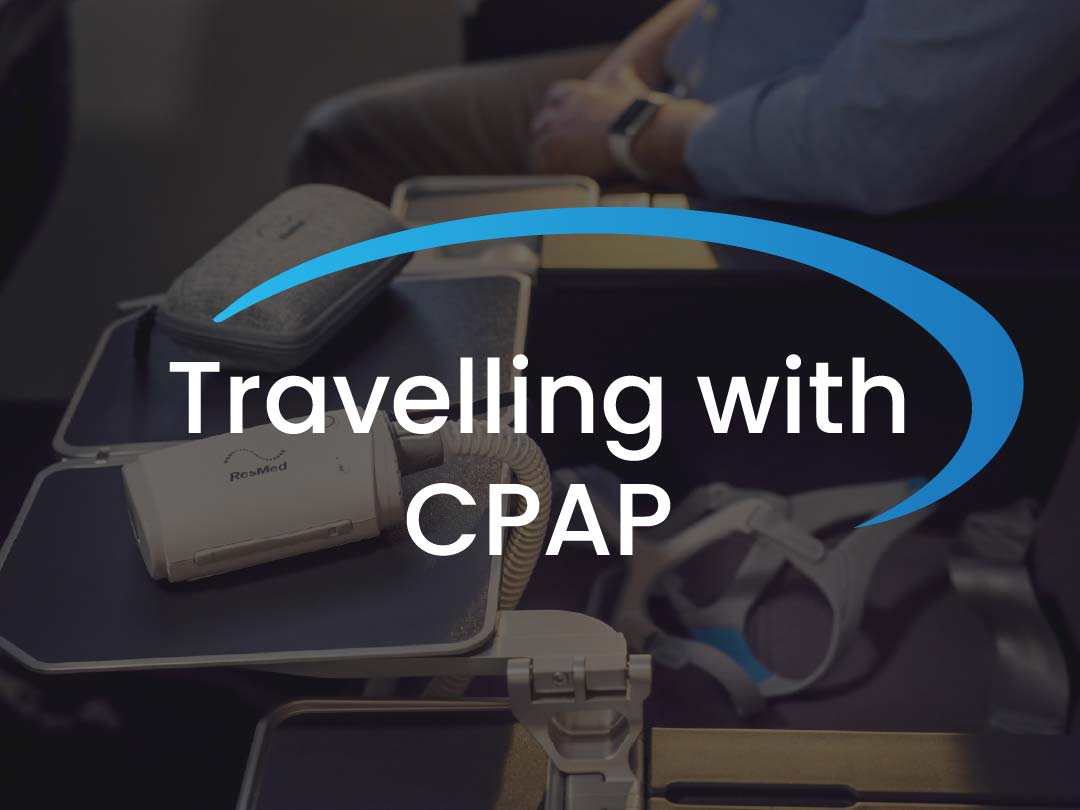
Travelling with a CPAP Machine
Planning summer travel with your CPAP machine doesn't have to be stressful with proper preparation. This essential guide covers five key strategies: checking your equipment for wear and tear before departure, creating a comprehensive packing checklist, always keeping your CPAP in carry-on luggage, considering a travel-sized machine for frequent travelers, and maintaining your therapy routine while away. Proper planning ensures you'll sleep well and enjoy your vacation to the fullest.
Learn more about Travelling with a CPAP Machine