

News


ResMed AirSense 11 vs AirSense 10: Price, Features & Which One to Buy
ResMed AirSense 11 vs AirSense 10: Price, Features & Which One to Buy If you're shopping for a new CPAP machine, chances are you've already landed on ResMed as your brand — and for good reason. But narrowing it down to the AirSense 11 vs AirSense 10 is where it gets tricky. They look similar on the surface, they both work, and yet the price difference is real. So what are you actually paying for? Let's walk through it properly so you can make a confident decision. Quick Comparison: AirSense 11 vs AirSense 10 Feature ResMed AirSense 11 ResMed AirSense 10 Generation Newer Previous Display Full colour touchscreen Dial + physical buttons App Integration Enhanced myAir Standard myAir AutoSet Mode Yes Yes Built-in Humidifier Yes Yes Design Sleeker, compact Slightly larger Price (Canada) Higher More budget-friendly Both models are available in AutoSet (APAP) and fixed-pressure CPAP configurations — your prescription will determine which is right for you. ResMed AirSense 11: What's Actually New? The ResMed AirSense 11 is ResMed's current flagship CPAP machine, and the upgrades are genuinely useful — not just marketing fluff. The biggest change most people notice right away is the full colour touchscreen. Gone are the days of hunting through dial menus at 2am. The interface is intuitive enough that plenty of first-time CPAP users get through setup without needing to call anyone. Beyond the screen, the AirSense 11 connects more seamlessly with the myAir app, giving you nightly sleep scores, usage data, and therapy coaching on your phone. For people who actually want to understand their therapy — whether that's tracking AHI events or just confirming the machine is doing its job — this is a meaningful upgrade. Other standout features: Guided setup with on-screen instructions Advanced event detection and reporting Improved Bluetooth connectivity AutoSet pressure adjustments that respond to your breathing in real time Best for: First-time CPAP users, anyone who wants app-connected therapy tracking, and patients who value a clean, modern setup experience. ResMed AirSense 10: Still Worth Buying in 2024? Short answer: yes. The ResMed AirSense 10 has been the gold standard in ResMed CPAP machines for years — and it didn't suddenly become a bad machine just because a newer model exists. Its AutoSet algorithm is proven, it runs quietly, and the integrated humidifier works exactly as it should. What it doesn't have is a touchscreen or the same level of app integration. The dial-and-button interface feels dated compared to the 11, but plenty of longtime CPAP users actually prefer it. There's something to be said for a physical control you can find in the dark without thinking. The other big factor: price. The AirSense 10 comes in at a noticeably lower price point, which matters if you're paying out of pocket or your insurance only covers part of the cost. Best for: Budget-conscious buyers, experienced CPAP users upgrading from an older device, and anyone who doesn't need or want smartphone connectivity. Price Comparison: AirSense 11 vs AirSense 10 in Canada Pricing varies slightly by configuration (AutoSet vs fixed CPAP), but here's the general landscape: ResMed AirSense 10 — lower entry price, strong value for a proven machine ResMed AirSense 11 — premium price reflecting upgraded interface and connectivity If the digital features genuinely matter to your therapy routine, the AirSense 11 is worth the extra spend. If you just need a reliable machine that does the job, the AirSense 10 delivers without the premium. Note: Many private health insurance plans in Canada cover a portion of CPAP equipment costs. Check your policy before purchasing — it could change the math significantly. Masks & Compatibility: What Works With Each Machine? Good news: both machines are compatible with the full range of ResMed masks, including: Nasal masks Full-face masks Nasal pillow masks Mask fit is arguably more important to therapy success than which machine you choose. If you're unsure which mask style suits you, it's worth spending time on that decision before you finalize your machine purchase. Filters & Replacement Parts Both the AirSense 10 and AirSense 11 need routine maintenance to keep performing properly. The good news is that AirSense filters and CPAP replacement parts are affordable and easy to swap out yourself. Here's what needs regular replacing: Filters — monthly (disposable) or every 6 months (reusable foam filter) Humidifier chamber — every 6–12 months CPAP tubing — every 3–6 months Mask cushions and headgear — per manufacturer guidelines Staying on top of these replacements isn't just about hygiene — it also protects the machine itself and keeps your airflow consistent. So, Which One Should You Buy? Here's the honest version: Choose the AirSense 11 if you're new to CPAP therapy, you want the best available interface, or app-based tracking would genuinely help you stay consistent with treatment. The touchscreen and enhanced myAir integration make the learning curve much gentler. Choose the AirSense 10 if you're watching your budget, you've used CPAP before and don't need hand-holding, or you simply prefer physical controls. It's a machine with a long, trusted track record — there's no shame in going with what works. Either way, you're choosing a quality device from one of the most trusted names in sleep apnea treatment. The difference is mostly about interface and features, not therapy effectiveness. Frequently Asked Questions Is the ResMed AirSense 11 worth the extra cost? For first-time users or anyone who wants app connectivity and guided setup, yes. For experienced users on a budget, the AirSense 10 remains an excellent option. Are AirSense 10 and 11 masks interchangeable? Yes — both machines use standard ResMed mask connections and are compatible with the same range of ResMed masks. Does insurance cover ResMed CPAP machines in Canada? Many private health plans cover CPAP equipment partially or fully with a valid prescription. Coverage varies by provider, so confirm with your insurer before purchasing. How often do I need to replace AirSense filters? Disposable filters should be replaced monthly. Reusable foam filters can last up to 6 months with regular cleaning.
Learn more about ResMed AirSense 11 vs AirSense 10: Price, Features & Which One to Buy
What Is A CPAP Machine?
CPAP machines deliver continuous pressurized air to treat sleep apnea by keeping airways open during sleep. This comprehensive guide explains how these medical devices work, their key health benefits including improved sleep quality and reduced health risks, and highlights popular models like the AirSense 11 AutoSet and DreamStation 2. Whether you need a travel-friendly option or advanced features like integrated humidification, understanding your CPAP options helps ensure effective sleep apnea therapy tailored to your lifestyle.
Learn more about What Is A CPAP Machine?
Has your sleep routine neen disrupted?
Life has a way of disrupting even the most consistent sleep routines. Whether it's a late event, major life change, or travel throwing off your schedule, getting back on track doesn't have to be overwhelming. This guide covers five practical strategies to restore your sleep cycle: from relaxation techniques and temporary sleep aids to optimizing your bedroom environment and avoiding common pitfalls like afternoon naps and pre-bedtime caffeine.
Learn more about Has your sleep routine neen disrupted?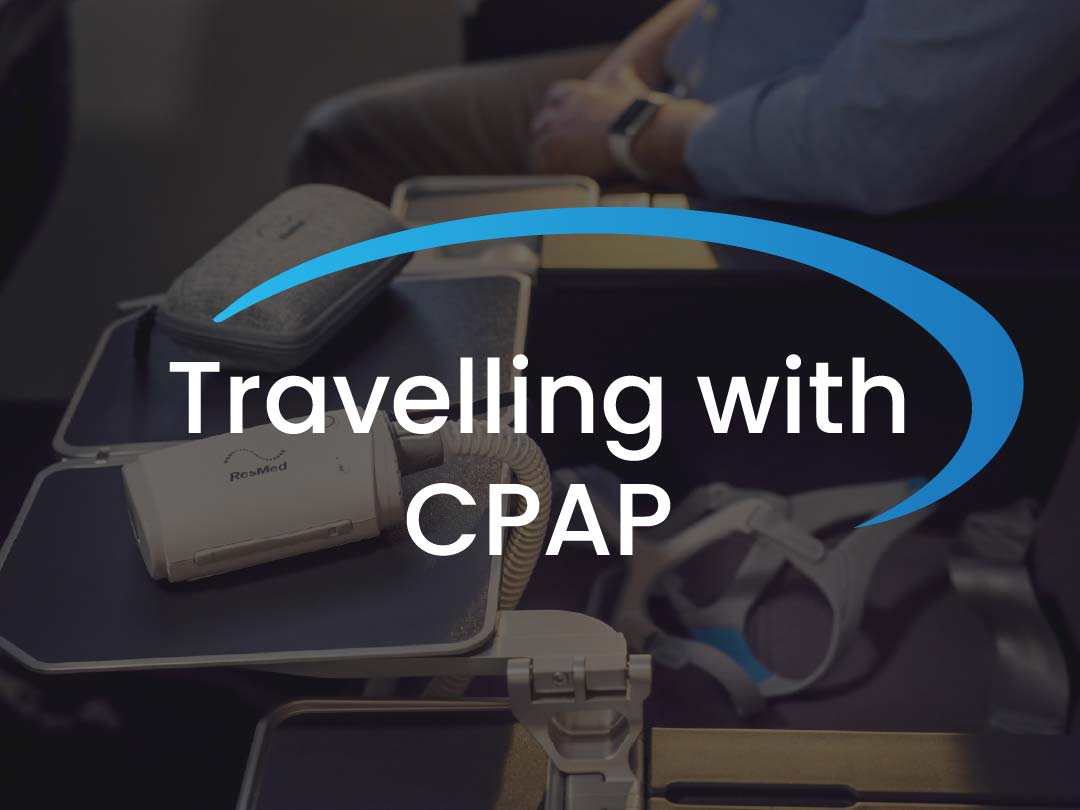
Travelling with a CPAP Machine
Planning summer travel with your CPAP machine doesn't have to be stressful with proper preparation. This essential guide covers five key strategies: checking your equipment for wear and tear before departure, creating a comprehensive packing checklist, always keeping your CPAP in carry-on luggage, considering a travel-sized machine for frequent travelers, and maintaining your therapy routine while away. Proper planning ensures you'll sleep well and enjoy your vacation to the fullest.
Learn more about Travelling with a CPAP Machine
Get your CPAP Ready for Summer
Hot summer weather can negatively impact sleep apnea and CPAP therapy effectiveness, making seasonal adjustments essential for quality rest. This guide covers four crucial summer preparation steps: lowering humidifier settings to prevent condensation buildup, maintaining cool bedroom temperatures with air conditioning, inspecting and replacing worn CPAP parts before peak season, and keeping windows closed to avoid pollen and allergens that can worsen sleep apnea symptoms.
Learn more about Get your CPAP Ready for Summer
Sleep Deprivation is Affecting your Love Life
Poor sleep doesn't just affect your health, it can seriously damage your relationships too. Sleep deprivation makes you less attractive to potential partners, reduces your ability to navigate dating successfully, increases irritability and conflicts with your spouse, decreases sexual desire, and disrupts your partner's sleep through restless movements. Understanding these connection points between sleep quality and relationship health can motivate you to prioritize better rest for both you and your loved ones.
Learn more about Sleep Deprivation is Affecting your Love Life
Sleep Hygiene Tips for Warm Weather
wp:paragraph The warmer weather has officially arrived in many places! As much as you may be enjoying the sunshine, you may have noticed that your sleep is affected by the warm temperatures. It’s important to know that certain sleep hygiene practices for cold weather don’t always apply when it’s warm out. /wp:paragraph wp:paragraph Here are a few sleep hygiene tips for keeping cool in the warmer weather; /wp:paragraph wp:paragraph Keep your room cool: Trying to get a good sleep with the temperature being too warm can be extremely uncomfortable and can cause you to overheat. Make sure you set the temperature of your room accordingly, use fans to help cool the room down and keep the window closed. /wp:paragraph wp:paragraph Re-evaluate your bedding: The hot weather is not the time to be using flannel sheets and heavy duvet covers. Instead, switch out your bedding to sheets made of a lighter cotton that is more breathable, and switch out that heavy comforter for a duvet cover or quilt that is lighter and designed better for warmer nights. /wp:paragraph wp:paragraph Don’t over-dress: Much like your bedding, flannel and other pajamas made of heavier material are not a good idea for the warmer nights. Depending on your personal preference, dressing in lighter materials will help to keep you cool and not overheat while sleeping. /wp:paragraph wp:paragraph Keep the room dark: Not only will a dark room help you sleep better, but this will help to keep the room cool as well. Blackout curtains can help with this. Keeping your bedroom dark throughout the daytime will help your bedroom to stay cool at night as well. /wp:paragraph wp:paragraph Keep your sleep schedule consistent: The beautiful weather can sometimes lead to a disruption in your bedtime thanks to changes in your schedule or a disruption in your routine but try as much as you can to go to bed and wake up as close to the same time each day. /wp:paragraph wp:paragraph Avoid caffeine and alcohol before bedtime: Both of these are known to disrupt your REM sleep cycle, which is essential for a good night’s sleep. Drinking a small glass of cool water before bed can be helpful, and make sure you stay hydrated throughout the day. /wp:paragraph wp:paragraph Contac us for more information. /wp:paragraph
Learn more about Sleep Hygiene Tips for Warm Weather
How Aging Changes Your Sleep Patterns
wp:paragraph If you are over age 65 and noticing that your sleep is not what it used to be when you were younger, you are not alone. /wp:paragraph wp:paragraph Many older adults tend to notice changes in their sleep as they age, and at least half experience at least one sleep issue, whether it’s insomnia, sleep apnea or something else. Older adults may also notice they take more frequent naps and spend less time in deep sleep. Rest assured, this is completely normal. /wp:paragraph wp:paragraph Good quality sleep for older adults is essential to your overall well-being, especially as newer health issue come to light with age. /wp:paragraph wp:paragraph Here are four factors that may contribute to changes in sleep patterns amongst older adults: /wp:paragraph wp:paragraph Poor sleep habits: This is very common with older adults, whether you are newly retired and figuring out your new normal, or just enjoying more downtime than before. Make sure you go to bed and wake up at the same time each day, and that you practice good sleep hygiene. /wp:paragraph wp:paragraph Medications: This is a common problem for many older adults that is easily treatable. If you take medication for other health issues and you are noticing it’s affecting your sleep, make sure you speak to your doctor for advice. /wp:paragraph wp:paragraph Stress: Aging tends to bring on many life changes, between loosing a loved one, moving, or dealing with an unexpected health condition, all of which can negatively affect your sleep. Make sure you find ways to properly cope with stress, and make sure you seek external help if necessary. /wp:paragraph wp:paragraph Lack of physical activity: Staying active into your golden years is important, and sleep may not come easily if you are not getting in enough daily movement. While you may not be able to keep up with the physical activity you did when you were younger, make sure you find activities that you enjoy and will help you to get in your daily movement. /wp:paragraph
Learn more about How Aging Changes Your Sleep Patterns
Sleep Apnea and Seasonal Allergies
Are you suffering from seasonal allergies? You are not alone. Many people have to deal with the unpleasantness of allergy symptoms in the early spring, which can interfere with your ability to get a good night’s sleep. Allergies can be even worse for people who suffer from sleep apnea, since your airway is already compromised during sleep. A lot of allergy symptoms tend to worsen and cause nasal congestion, which can dry your mouth out or block your airway. Not a good thing with sleep apnea, especially if you use a CPAP machine to help you sleep at night. Luckily there are a few things you can do to help give some relief to your symptoms so you can sleep better at night. Here are a few tips: Take advantage of humidification: As great as the CPAP is for helping you sleep, it can also dry out your nasal passages, which can be extremely uncomfortable and worsen your allergy symptoms. Using a humidifier with your CPAP can help to keep your airway moist enough to promote proper breathing during sleep. Keep your CPAP mask in great condition: Make sure you are cleaning your CPAP mask and other parts on a regular basis. Sleeping in a dirty mask will only spread bacteria and germs through your airway as you sleep and make your allergies worse. Also, if your CPAP has a filter, make sure that it is changed on a regular basis as well. Take some medications to help relieve your symptoms: Taking an over-the-counter antihistamine before bed can help to alleviate allergy symptoms and help you sleep better at night. But if you are using CPAP therapy to sleep, make sure you clear this with your doctor first. Be mindful of your sleeping environment: If the pollen outside is particularly strong and bothering your allergies, don’t sleep with your windows open as this will only make your symptoms worse. Keep your windows closed at night and keep your bedding fresh and clean will help as well.
Learn more about Sleep Apnea and Seasonal Allergies